Articles & Resources
Explore articles and resources designed to bring encouragement, insight, and hope for every step of the recovery journey.
The Importance of Monthly Partnerships


The Importance of Monthly Partners
A bed. Clean linens. A hot shower. Toilet paper.
For many of us, these are everyday essentials we barely think twice about. But for the men and women in Hope is Alive’s recovery program — for men and women with substance use disorders trying to find freedom from addiction — these things often feel like luxuries.

Many of our residents have slept in cars, on couches, under bridges… or in jail. They’ve gone days, if not weeks, without showers, squatted behind bushes to relieve themselves, eaten scraps or handouts, and used whatever resources they could find just to get by.
But because of supporters like you, they get to leave this reality behind when they come to Hope is Alive. They get to live radically changed, sober lives.
When you become a monthly partner, you help ensure that no one in our program has to wonder where they’ll sleep tonight… or if they’ll have clean clothes, a warm shower, or even toilet paper.
$25/month helps provide essential toiletries
$50/month helps provide bedding
$100/month helps provide hot showers
Losing Lexi: One Mother's Story of Grace in the Midst of Addiction and Loss | Bible Reading Plan

Losing Lexi: One Mother's Story of Grace in the Midst of Addiction and Loss
What happens when you feel like you’ve done everything right, but things go completely wrong? Kris Darrah and her husband Mike did all they could to raise their four kids in a loving Christian home. But when the grip of mental illness and addiction overtook their oldest daughter, Lexi, Kris soon realized that life doesn’t always go the way we hope and plan. Her story is a testament to the fact that hope can be restored when we lean on our loving and sovereign Savior.
Start the plan here: Losing Lexi: One Mother's Story of Grace in the Midst of Addiction and Loss
What to Do When You Discover Your Child is an Addict or Alcoholic

What to Do When You Discover Your Child is an Addict or Alcoholic
Finding out your child is struggling with a substance use disorder can leave you feeling like your world has been turned upside down. You may find yourself asking, “Where did I go wrong? How did this happen?”
The child you raised and love deeply is going down a path you never wanted for them, and you don’t know how it happened or what to do.
The weight of fear, confusion, guilt, shame, and heartbreak can feel overwhelming. But know this: You are not alone. It’s not your fault. There is hope.
At Hope is Alive, we’ve walked alongside countless families facing this exact moment. There are thousands of parents across the United States looking for the same path forward you are. And there are thousands more already on the path to recovery.
If you’re wondering what to do when you discover your child is an alcoholic or addict, here are some important next steps.
Recognize the Signs of Addiction and Alcoholism
Before taking action, it’s important to understand the common signs of addiction and alcoholism. According to the Diagnostic and Statistical Manual of Mental Disorders from the American Psychiatric Association, these may include:
- Sudden changes in behavior or mood
- Secrecy or dishonesty
- Financial problems or unexplained spending
- Neglecting responsibilities at home or work
- Physical changes such as weight loss, fatigue, or poor hygiene
Addiction is a chronic condition that affects the brain and behavior. Recognizing it early can help you take informed steps toward recovery.
Educate Yourself About Addiction and Alcoholism
Understanding addiction and alcoholism as diseases, not moral failures, can help you respond more effectively. Research shows that substance use disorders often require professional treatment and long-term support.
Look into:
- Types of addiction (alcohol, opioids, fentanyl, heroin, stimulants, etc.)
- Treatment options (inpatient rehab, outpatient programs, counseling, sober living)
- The role of mental health in addiction
The more informed you are, the better equipped you’ll be to navigate this situation.
Avoid Reacting in Highly Emotional Moments
Your first instinct may be to confront your child immediately. While your emotions are valid, reacting in the heat of the moment can lead to denial, defensiveness, or conflict.
Instead:
- Choose a calm, private time to talk
- Use non-accusatory language like “I’ve noticed…”
- Focus on your concern and love, not blame
Set Healthy Boundaries
As a parent, your instinct is to protect your child, but it’s important to understand the difference between helping and enabling.
Healthy boundaries might include:
- Not giving money that could support substance use
- Not covering up or making excuses for behavior
- Setting expectations for living arrangements or responsibilities
- Prioritizing safety for yourself and others in the home
Boundaries are not punishment. They are a necessary part of long-term recovery.
Encourage Professional Help
Substance use disorders rarely resolve without structured support. Encourage your child to seek professional help, such as:
- Licensed addiction counselors
- Medical detox programs
- Residential or outpatient rehab centers
- Support groups like AA (Alcoholics Anonymous) or NA (Narcotics Anonymous)
- The Healing Center
- Hope is Alive’s recovery homes
If they are resistant, consider consulting a professional about intervention strategies.
To learn more about professional help available for you, please reach out to Hope is Alive via our HopeLine at 1-844-3-HOPE-NOW.
Seek Support for Yourself
Living with an alcoholic or addicted child can take a serious emotional toll. But you don’t have to go through this alone.
Consider:
- Individual therapy or counseling
- Support groups for families (such as Al-Anon or Finding Hope)
- Trusted friends or family members
Taking care of your mental health is essential, regardless of your child’s choices.
Final Thoughts
Discovering your child has a substance use disorder is a life-altering moment, but you are not without options. By educating yourself, setting boundaries, and seeking support, you can get through this.
If you or your loved one is struggling with addiction or alcoholism, reach out to us today at 1-844-3-HOPE-NOW.
What to Do When You Discover Your Daughter is an Addict or Alcoholic

What to Do When You Discover Your Daughter is an Addict or Alcoholic
Finding out your daughter is struggling with a substance use disorder can leave you feeling like your world has been turned upside down. You may find yourself asking, “Where did I go wrong? How did this happen?”
The child you raised and love deeply is going down a path you never wanted for them, and you don’t know how it happened or what to do.
The weight of fear, confusion, guilt, shame, and heartbreak can feel overwhelming. But know this: You are not alone. It’s not your fault. There is hope.
At Hope is Alive, we’ve walked alongside countless families facing this exact moment. There are thousands of parents across the United States looking for the same path forward you are. And there are thousands more already on the path to recovery.
If you’re wondering what to do when you discover your daughter is an alcoholic or addict, here are some important next steps.
Recognize the Signs of Addiction and Alcoholism
Before taking action, it’s important to understand the common signs of addiction and alcoholism. According to the Diagnostic and Statistical Manual of Mental Disorders from the American Psychiatric Association, these may include:
- Sudden changes in behavior or mood
- Secrecy or dishonesty
- Financial problems or unexplained spending
- Neglecting responsibilities at home or work
- Physical changes such as weight loss, fatigue, or poor hygiene
Addiction is a chronic condition that affects the brain and behavior. Recognizing it early can help you take informed steps toward recovery.
Educate Yourself About Addiction and Alcoholism
Understanding addiction and alcoholism as diseases, not moral failures, can help you respond more effectively. Research shows that substance use disorders often require professional treatment and long-term support.
Look into:
- Types of addiction (alcohol, opioids, fentanyl, heroin, stimulants, etc.)
- Treatment options (inpatient rehab, outpatient programs, counseling, sober living)
- The role of mental health in addiction
The more informed you are, the better equipped you’ll be to navigate this situation.
Avoid Reacting in Highly Emotional Moments
Your first instinct may be to confront your daughter immediately. While your emotions are valid, reacting in the heat of the moment can lead to denial, defensiveness, or conflict.
Instead:
- Choose a calm, private time to talk
- Use non-accusatory language like “I’ve noticed…”
- Focus on your concern and love, not blame
Set Healthy Boundaries
As a parent, your instinct is to protect your child, but it’s important to understand the difference between helping and enabling.
Healthy boundaries might include:
- Not giving money that could support substance use
- Not covering up or making excuses for behavior
- Setting expectations for living arrangements or responsibilities
- Prioritizing safety for yourself and others in the home
Boundaries are not punishment. They are a necessary part of long-term recovery.
Encourage Professional Help
Substance use disorders rarely resolve without structured support. Encourage your daughter to seek professional help, such as:
- Licensed addiction counselors
- Medical detox programs
- Residential or outpatient rehab centers
- Support groups like AA (Alcoholics Anonymous) or NA (Narcotics Anonymous)
- The Healing Center
- Hope is Alive’s recovery homes
If she is resistant, consider consulting a professional about intervention strategies.
To learn more about professional help available for you, please reach out to Hope is Alive via our HopeLine at 1-844-3-HOPE-NOW.
Seek Support for Yourself
Living with an alcoholic or addicted child can take a serious emotional toll. But you don’t have to go through this alone.
Consider:
- Individual therapy or counseling
- Support groups for families (such as Al-Anon or Finding Hope)
- Trusted friends or family members
Taking care of your mental health is essential, regardless of your daughter’s choices.
Final Thoughts
Discovering your daughter has a substance use disorder is a life-altering moment, but you are not without options. By educating yourself, setting boundaries, and seeking support, you can get through this.
If you or your loved one is struggling with addiction or alcoholism, reach out to us today at 1-844-3-HOPE-NOW.
What to Do When You Discover Your Son is an Addict or Alcoholic

What to Do When You Discover Your Son is an Addict or Alcoholic
Finding out your son is struggling with a substance use disorder can leave you feeling like your world has been turned upside down. You may find yourself asking, “Where did I go wrong? How did this happen?”
The child you raised and love deeply is going down a path you never wanted for them, and you don’t know how it happened or what to do.
The weight of fear, confusion, guilt, shame, and heartbreak can feel overwhelming. But know this: You are not alone. It’s not your fault. There is hope.
At Hope is Alive, we’ve walked alongside countless families facing this exact moment. There are thousands of parents across the United States looking for the same path forward you are. And there are thousands more already on the path to recovery.
If you’re wondering what to do when you discover your son is an alcoholic or addict, here are some important next steps.
Recognize the Signs of Addiction and Alcoholism
Before taking action, it’s important to understand the common signs of addiction and alcoholism. According to the Diagnostic and Statistical Manual of Mental Disorders from the American Psychiatric Association, these may include:
- Sudden changes in behavior or mood
- Secrecy or dishonesty
- Financial problems or unexplained spending
- Neglecting responsibilities at home or work
- Physical changes such as weight loss, fatigue, or poor hygiene
Addiction is a chronic condition that affects the brain and behavior. Recognizing it early can help you take informed steps toward recovery.
Educate Yourself About Addiction and Alcoholism
Understanding addiction and alcoholism as diseases, not moral failures, can help you respond more effectively. Research shows that substance use disorders often require professional treatment and long-term support.
Look into:
- Types of addiction (alcohol, opioids, fentanyl, heroin, stimulants, etc.)
- Treatment options (inpatient rehab, outpatient programs, counseling, sober living)
- The role of mental health in addiction
The more informed you are, the better equipped you’ll be to navigate this situation.
Avoid Reacting in Highly Emotional Moments
Your first instinct may be to confront your son immediately. While your emotions are valid, reacting in the heat of the moment can lead to denial, defensiveness, or conflict.
Instead:
- Choose a calm, private time to talk
- Use non-accusatory language like “I’ve noticed…”
- Focus on your concern and love, not blame
Set Healthy Boundaries
As a parent, your instinct is to protect your child, but it’s important to understand the difference between helping and enabling.
Healthy boundaries might include:
- Not giving money that could support substance use
- Not covering up or making excuses for behavior
- Setting expectations for living arrangements or responsibilities
- Prioritizing safety for yourself and others in the home
Boundaries are not punishment. They are a necessary part of long-term recovery.
Encourage Professional Help
Substance use disorders rarely resolve without structured support. Encourage your son to seek professional help, such as:
- Licensed addiction counselors
- Medical detox programs
- Residential or outpatient rehab centers
- Support groups like AA (Alcoholics Anonymous) or NA (Narcotics Anonymous)
- The Healing Center
- Hope is Alive’s recovery homes
If he is resistant, consider consulting a professional about intervention strategies.
To learn more about professional help available for you, please reach out to Hope is Alive via our HopeLine at 1-844-3-HOPE-NOW.
Seek Support for Yourself
Living with an alcoholic or addicted child can take a serious emotional toll. But you don’t have to go through this alone.
Consider:
- Individual therapy or counseling
- Support groups for families (such as Al-Anon or Finding Hope)
- Trusted friends or family members
Taking care of your mental health is essential, regardless of your son’s choices.
Final Thoughts
Discovering your son has a substance use disorder is a life-altering moment, but you are not without options. By educating yourself, setting boundaries, and seeking support, you can get through this.
If you or your loved one is struggling with addiction or alcoholism, reach out to us today at 1-844-3-HOPE-NOW.
What to Do When You Discover Your Husband is an Addict or Alcoholic

What to Do When You Discover Your Husband is an Addict or Alcoholic
Finding out your husband is struggling with a substance use disorder can stop you in your tracks. It’s easy to ask yourself, “How did this happen? Were there signs that I missed?”
The person you love may suddenly seem like a stranger, and it’s normal to wonder how it happened. It’s also normal to not know what to do when you discover your husband is an addict or alcoholic.
The weight of fear, confusion, guilt, shame, and heartbreak can feel overwhelming. But know this: You are not alone. It’s not your fault. There is hope.
At Hope is Alive, we’ve walked alongside countless families facing this exact moment. There are thousands of wives across the United States looking for the same path forward you are. And there are thousands more already on the path to recovery.
If you’re wondering what to do when you discover your husband is an alcoholic or addict, here are some important next steps.
Recognize the Signs of Addiction and Alcoholism
Before taking action, it’s important to understand the common signs of addiction and alcoholism. According to the Diagnostic and Statistical Manual of Mental Disorders from the American Psychiatric Association, these may include:
- Sudden changes in behavior or mood
- Secrecy or dishonesty
- Financial problems or unexplained spending
- Neglecting responsibilities at home or work
- Physical changes such as weight loss, fatigue, or poor hygiene
Addiction is a chronic condition that affects the brain and behavior. Recognizing it early can help you take informed steps toward recovery.
Educate Yourself About Addiction and Alcoholism
Understanding addiction and alcoholism as diseases, not moral failures, can help you respond more effectively. Research shows that substance use disorders often require professional treatment and long-term support.
Look into:
- Types of addiction (alcohol, opioids, fentanyl, heroin, stimulants, etc.)
- Treatment options (inpatient rehab, outpatient programs, counseling, sober living)
- The role of mental health in addiction
The more informed you are, the better equipped you’ll be to navigate this situation.
Avoid Immediate Confrontation in Emotional Moments
Your first instinct may be to confront your husband immediately. While your emotions are valid, reacting in the heat of the moment can lead to denial, defensiveness, or conflict.
Instead:
- Choose a calm, private time to talk
- Use non-accusatory language like “I’ve noticed…”
- Focus on your concern and love, not blame
Set Healthy Boundaries
One of the most important steps is establishing clear, healthy boundaries. Supporting your husband does not mean enabling harmful behavior.
Examples of boundaries:
- Not covering up for his actions
- Not providing money that could support the addiction
- Protecting your own emotional and physical safety
Boundaries help create accountability while also protecting your well-being. They are not punishment. They are a necessary part of long-term recovery.
Encourage Professional Help
Substance use disorders rarely resolve without structured support. Encourage your husband to seek professional help, such as:
- Licensed addiction counselors
- Medical detox programs
- Residential or outpatient rehab centers
- Support groups like AA (Alcoholics Anonymous) or NA (Narcotics Anonymous)
- The Healing Center
- Hope is Alive’s recovery homes
If he is resistant, consider consulting a professional about intervention strategies.
To learn more about professional help available for you, please reach out to Hope is Alive via our HopeLine at 1-844-3-HOPE-NOW.
Seek Support for Yourself
Living with an alcoholic or addicted spouse can take a serious emotional toll. But you don’t have to go through this alone.
Consider:
- Individual therapy or counseling
- Support groups for families (such as Al-Anon or Finding Hope)
- Trusted friends or family members
Taking care of your mental health is essential, regardless of your husband’s choices.
Final Thoughts
Discovering your husband has a substance use disorder is a life-altering moment, but you are not without options. By educating yourself, setting boundaries, and seeking support, you can get through this.
If you or your loved one is struggling with addiction or alcoholism, reach out to us today at 1-844-3-HOPE-NOW.
What to Do When You Discover Your Wife is an Addict or Alcoholic

What to Do When You Discover Your Wife is an Addict or Alcoholic
Finding out your wife is struggling with a substance use disorder can stop you in your tracks. It’s easy to ask yourself, “How did this happen? Were there signs that I missed?”
The person you love may suddenly seem like a stranger, and it’s normal to wonder how it happened. It’s also normal to not know what to do when you discover your wife is an addict or alcoholic.
The weight of fear, confusion, guilt, shame, and heartbreak can feel overwhelming. But know this: You are not alone. It’s not your fault. There is hope.
At Hope is Alive, we’ve walked alongside countless families facing this exact moment. There are thousands of husbands across the United States looking for the same path forward you are. And there are thousands more already on the path to recovery.
If you’re wondering what to do when you discover your wife is an alcoholic or addict, here are some important next steps.
Recognize the Signs of Addiction and Alcoholism
Before taking action, it’s important to understand the common signs of addiction and alcoholism. According to the Diagnostic and Statistical Manual of Mental Disorders from the American Psychiatric Association, these may include:
- Sudden changes in behavior or mood
- Secrecy or dishonesty
- Financial problems or unexplained spending
- Neglecting responsibilities at home or work
- Physical changes such as weight loss, fatigue, or poor hygiene
Addiction is a chronic condition that affects the brain and behavior. Recognizing it early can help you take informed steps toward recovery.
Educate Yourself About Addiction and Alcoholism
Understanding addiction and alcoholism as diseases, not moral failures, can help you respond more effectively. Research shows that substance use disorders often require professional treatment and long-term support.
Look into:
- Types of addiction (alcohol, opioids, fentanyl, heroin, stimulants, etc.)
- Treatment options (inpatient rehab, outpatient programs, counseling, sober living)
- The role of mental health in addiction
The more informed you are, the better equipped you’ll be to navigate this situation.
Avoid Immediate Confrontation in Emotional Moments
Your first instinct may be to confront your wife immediately. While your emotions are valid, reacting in the heat of the moment can lead to denial, defensiveness, or conflict.
Instead:
- Choose a calm, private time to talk
- Use non-accusatory language like “I’ve noticed…”
- Focus on your concern and love, not blame
Set Healthy Boundaries
One of the most important steps is establishing clear, healthy boundaries. Supporting your wife does not mean enabling harmful behavior.
Examples of boundaries:
- Not covering up for his actions
- Not providing money that could support the addiction
- Protecting your own emotional and physical safety
Boundaries help create accountability while also protecting your well-being. They are not punishment. They are a necessary part of long-term recovery.
Encourage Professional Help
Substance use disorders rarely resolve without structured support. Encourage your wife to seek professional help, such as:
- Licensed addiction counselors
- Medical detox programs
- Residential or outpatient rehab centers
- Support groups like AA (Alcoholics Anonymous) or NA (Narcotics Anonymous)
- The Healing Center
- Hope is Alive’s recovery homes
If she is resistant, consider consulting a professional about intervention strategies.
To learn more about professional help available for you, please reach out to Hope is Alive via our HopeLine at 1-844-3-HOPE-NOW.
Seek Support for Yourself
Living with an alcoholic or addicted spouse can take a serious emotional toll. But you don’t have to go through this alone.
Consider:
- Individual therapy or counseling
- Support groups for families (such as Al-Anon or Finding Hope)
- Trusted friends or family members
Taking care of your mental health is essential, regardless of your wife’s choices.
Final Thoughts
Discovering your wife has a substance use disorder is a life-altering moment, but you are not without options. By educating yourself, setting boundaries, and seeking support, you can get through this.
If you or your loved one is struggling with addiction or alcoholism, reach out to us today at 1-844-3-HOPE-NOW.
Drug and Alcohol Prevention: Reaching the Next Generation
Drug and Alcohol Prevention: Reaching the Next Generation
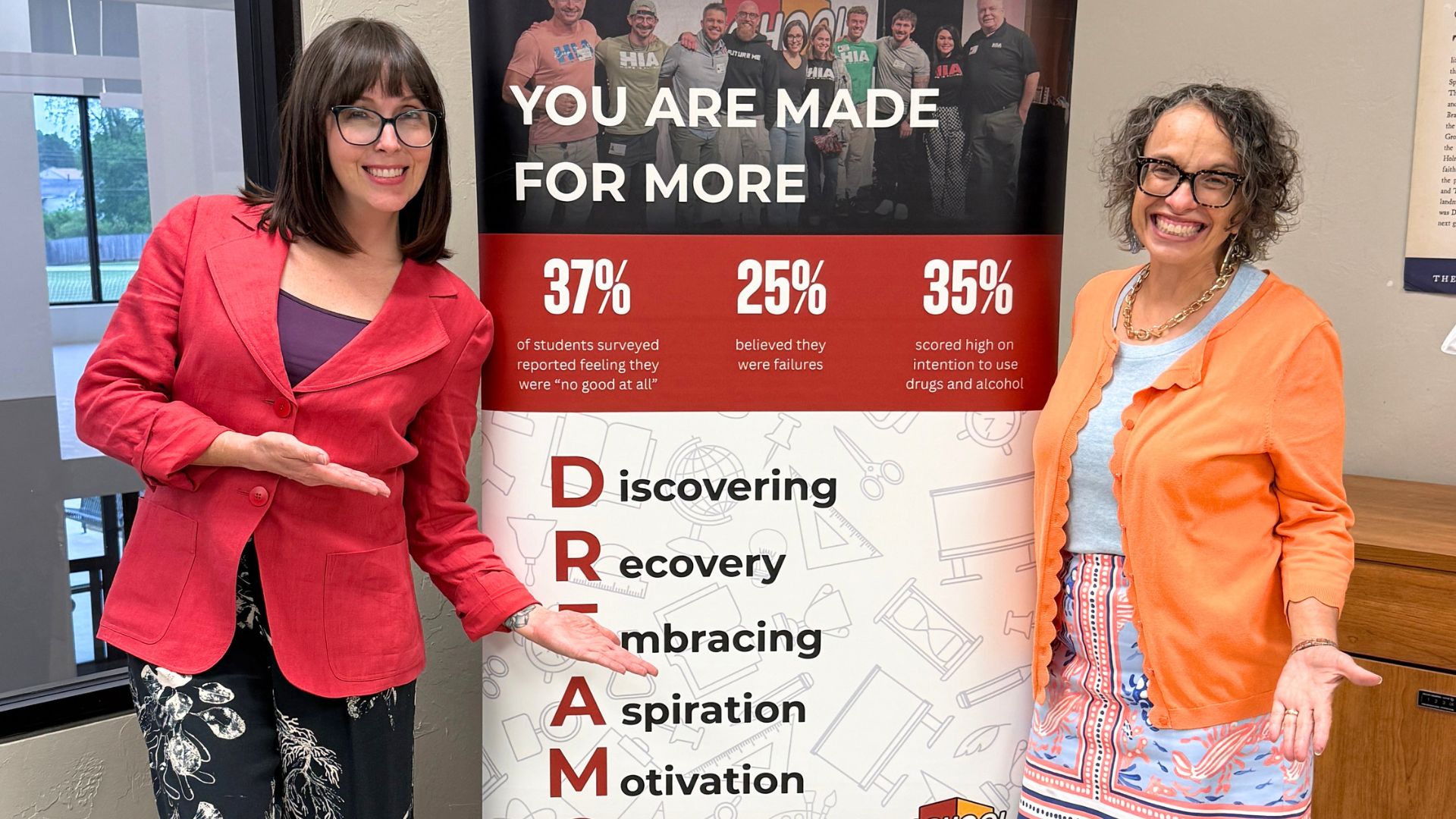
April was a busy, and impactful, month for the Hope is Alive School Support team. We had the opportunity to partner with schools and community organizations all across the Oklahoma City area, connecting with students, parents, and educators in an attempt to get ahead of addiction.
Through assemblies, lunch hangouts, student engagement, and parent trainings, we opened the door for the next generation to learn more about the stark realities of drug and alcohol use.
We visited campuses all across Oklahoma City, bringing interactive presentations that students could actually connect with. Topics ranged from the Brain Science of Addiction to The Whole Self, Social Media and the Developing Brain, Spiritual Discernment, and The Power of Choices.
These presentations were intentionally designed to educate students on how substances and behaviors impact the brain, while also helping them understand the deeper “why” behind decision-making, including identity, stress, belonging, and emotional regulation. For instance, The Whole Self talk discussed how trauma and core wounds make us believe lies about ourselves, and how we then wear masks to cope.
Because not everyone responds well to a lecture, we also connected with students on a more personal level through lunch hangouts.
At our lunch hangouts, we created smaller, relational environments where students could process what they learned, ask questions, and practice real-life application of skills such as refusal strategies, coping skills, and navigating peer pressure — all of which are proven to be effective in preventing drug and alcohol use in teenagers.
Educating parents has also proven to be effective in preventing drug and alcohol use in teenagers. So, we hosted sessions focused on practical strategies to help parents navigate conversations around peer pressure, substance use, emotional regulation, and warning signs, while also encouraging stronger family connection and communication.
Our Addiction Prevention Mission
Across all settings, our approach remained rooted in the School Support mission to educate, inspire, and activate.
We educated by providing evidence informed age-appropriate information that increased understanding of risk and protective factors.
We inspired by speaking to students’ identity, worth, and purpose, helping them see their value and future beyond harmful choices.
And we activated by equipping them with practical tools, skills, and real-life scenarios so they can confidently apply what they’ve learned in everyday situations.
By engaging students, parents, and school staff across multiple environments, we are helping cultivate school communities where students feel supported, empowered, and equipped to make healthy choices, ultimately working toward our vision of a future where drugs and alcohol are no longer appealing because young people are secure in who they are and where they are going.
In April, an astounding 1,800 individuals were reached through our programming.
April School Support Events Completed
- Mid-Del District – Parent Training
Topic: Peer Pressure & Coping Skills - Mount St. Mary Catholic School – Lunch Hangout
Topic: Lunch Hang Talk - Trinity at Edgemere – Assembly
Topic: Peer Pressure - Christian Heritage Academy – Assembly
Topic: Spiritual Discernment - Christian Heritage Academy – Lunch Hangout
Topic: Spiritual Discernment - Christian Heritage Academy – Parent Training
Topic: See Something, Say Something - Rejoice Christian School – Assembly
Topic: Whole Self - Oklahoma Christian Academy – Assembly
Topic: Social Media & the Brain - Southern Nazarene University – Assembly
Topic: Neuroscience of Addiction - Heritage Hall – Assembly 5th-8th
Topic: Brain Science - Edmond Memorial High School – Assembly
Topic: Whole Self & Coping Skills
Finding Hope Podcast: Redeemed

In this episode, Director of Family Support Groups Amy LaRue sits down with Keven Kohs — who is celebrating three years of sobriety — to share his journey through addiction. He talks about his breaking points and the moments that led him towards recovery.
This isn’t a polished story. It’s a real story of hope.
For more information, visit:
Faith-based support groups for families of addicts and alcoholics.
The Roles of Families Impacted by Addiction

The Roles of Families Impacted by Addiction
When you love someone struggling with addiction, it affects every part of your life. Over time, many of us find ourselves stepping into roles we were never meant to carry. We try to fix, manage, or hold everything together, even when we can’t.
I know this personally.
There were seasons where I became the “hero” and the “enabler,” believing if I just did more, things would change. Instead, I found myself exhausted, anxious, and disconnected from who God created me to be.
Maybe you can relate.
In families impacted by addiction, we often take on roles like:
- Hero (over-responsible, holding it all together)
- Enabler (protecting and rescuing)
- Scapegoat (defiant, rule breaker)
- Mascot (immature, distracting)
- Lost Child (quiet, withdrawn)
But these are survival roles — not God-given identities.
At some point in my journey, especially through relapse and setting hard boundaries, I had to come back to this truth: I am responsible for my role, not their choices.
You were created to be who God called you to be: A mother. A father. A wife. A husband. A daughter. A son. A sister. A brother. A friend.
Not the fixer. Not the savior.
With hope,
Darcie Stephens, Finding Hope Coordinator
For more information, visit:
Faith-based support groups for families of addicts and alcoholics.
My First Day: Life at Hope is Alive
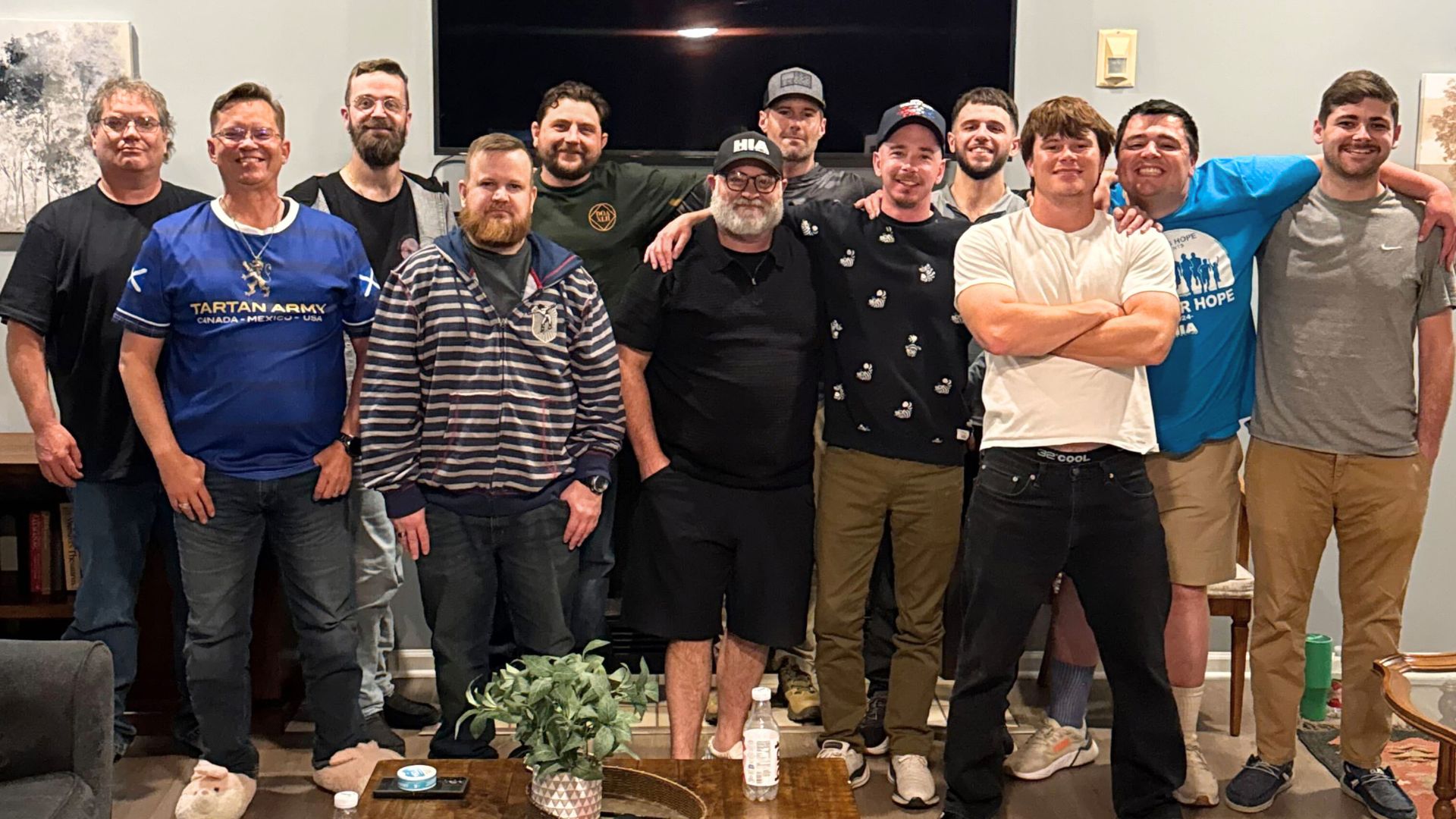
Everyone has a story. And for a lot of people walking into Hope is Alive, that story includes pain, instability, addiction, and moments that feel impossible to come back from.
This video shares just a glimpse of what those journeys can look like. More importantly, it points to what’s possible on the other side of addiction: healing, belonging, purpose, freedom.
There's a reason Hope is Alive has a high success rate for drug and alcohol addiction treatment.
The Power of Habits
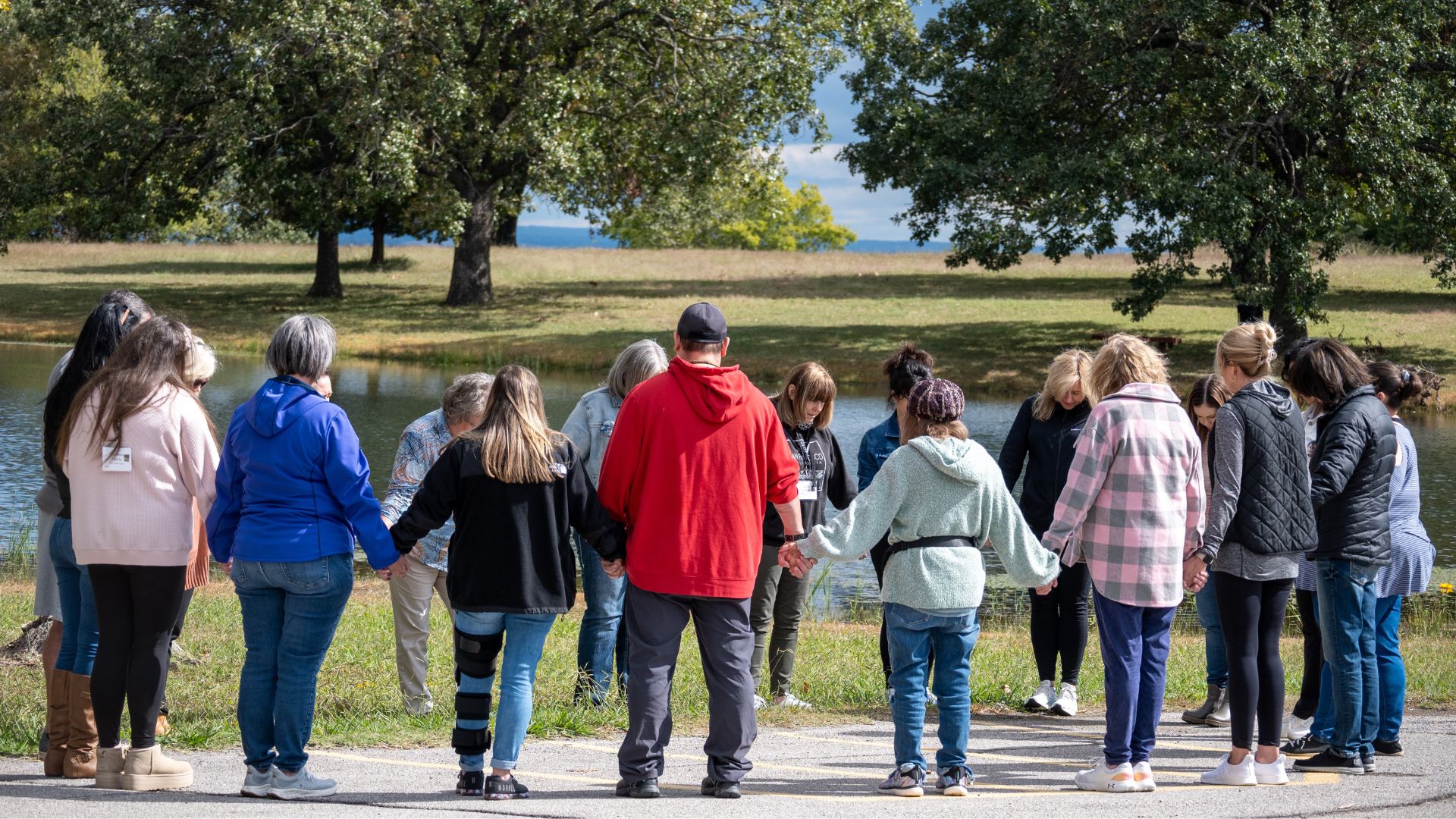
The Power of Habits
What is a Habit?
A habit is a regular practice, something we do often, sometimes without even thinking. More than 40% of our daily actions are habits, shaping our lives in ways we may not realize. Some habits are helpful, like brushing our teeth or exercising, while others can be harmful, like biting our nails or skipping meals.
The Role of Habits in Our Lives
Our brains are wired to create habits, whether good or bad. The good news? Habits can be changed! With intentional effort, we can break unhealthy patterns and establish new, life-giving routines.
Facts About Habits
You Can Change Your Habits
While breaking old habits can be tough, it is possible. If you’ve overcome addiction or supported a loved one in recovery, you already know the power of change. Even small steps, like skipping a morning donut, can lead to lasting transformation. In the same vein, good habits can help an addict find sobriety. And good habits can help you stay strong while your loved one battles Heroin, Fentanyl, alcohol, and/or other substances.
Good Habits Help You Reach Your Goals
Big achievements start with small, consistent actions. You wouldn’t sign up for a marathon without training first, and the same principle applies to other areas of life. Whether it’s getting a better job, improving relationships, or building strength, success begins with daily habits.
Habits Shape Your Life
The routines you choose define who you become. Greeting your children with joy fosters a joyful heart. Eating healthy meals leads to a healthier body. The habits you practice today set the foundation for your future.
Habits Reduce Wasted Time
Most of us avoid difficult or uncomfortable tasks. However, good habits make us more efficient, cutting down on wasted time and helping us focus on what truly matters.
Habits Replace Motivation
Motivation comes and goes, but habits keep you going. We all have days when we don’t feel like exercising, working, or making healthy choices, but when these actions become habits, we do them automatically, and they lead to long-term success.
What small habit can you start today that will make a big impact on your life?
For more information, visit:
Faith-based support groups for families of addicts and alcoholics.