Articles & Resources
Explore articles and resources designed to bring encouragement, insight, and hope for every step of the recovery journey.
The Battle Within | Bible Reading Plan

The Battle Within: A 7-Day Plan for Mental and Spiritual Health
Some of the hardest battles we will ever fight are the ones no one else can see. Our thoughts. Our emotions. Our fears. The things we've been through and the ways they've shaped us. Mental health isn't separate from our spiritual lives. God created our minds, our bodies, and our souls to work together. When one part of us is hurting, everything is hurting.
Start the plan here: The Battle Within: A 7-Day Plan for Mental and Spiritual Health
Hope Changes Everything: Night of Hope Unplugged
.jpg)
Hope Changes Everything: Night of Hope Unplugged
Hope is alive because Jesus saves lives.
For the first time in Hope is Alive history, every staff member and resident gathered at The Healing Center for Night of Hope to celebrate the heart of Hope is Alive’s mission: hope, healing, and lives transformed through Jesus Christ.
Now, we invite you to watch this historic night and witness the moment hundreds of people surrendered their lives to Christ.
Brain Under Siege: Understanding Addiction | Bible Reading Plan

Brain Under Siege: Understanding Addiction
The human brain has approximately 86 billion neurons, and so many of the things we’ve normalized in today’s society are constantly coming after them. Think about that for a second. The very brain that controls our thoughts, emotions, decisions, and behaviors is being influenced every single day by what we consume, what we do, and what we’ve learned to call “normal.” Crazy right? Read this six-day plan to learn more about the brain from Courtney Davis.
Start the plan here: Brain Under Siege: Understanding Addiction
Addiction Aftercare Planning: What Families Need to Know
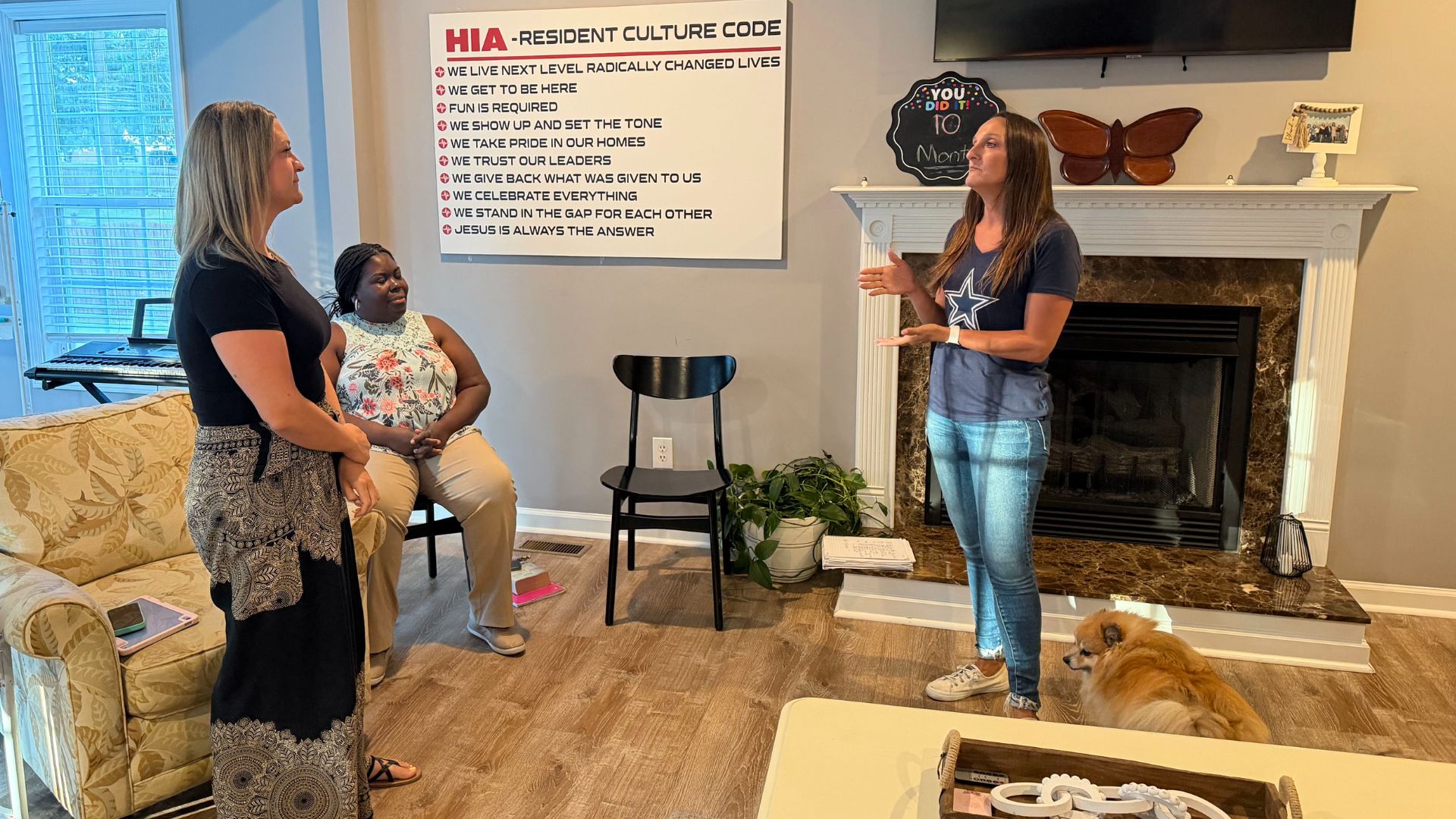
Addiction Aftercare Planning: What Families Need to Know
An addiction aftercare plan is exactly what it sounds like: a plan for what happens after someone finishes addiction treatment. It lays out the support, structure, and resources they’ll have in place as they transition out of treatment and into everyday life.
That might include counseling, outpatient treatment, recovery meetings, sober living, a recovery community, work, spiritual support, and a plan for what to do if they begin struggling.
If you have a loved one in treatment right now, their aftercare plan may not be the first thing on your mind. You’re probably just grateful they’re somewhere safe, getting help. Maybe, for the first time in a long time, you feel like you can breathe a little easier.
But treatment doesn’t last forever. And before your loved one leaves, you need to know what comes next.
Because coming home is not an aftercare plan.
That doesn’t mean your loved one shouldn’t come home. For some people, returning home to a healthy, stable environment can absolutely be part of the plan. But there’s a big difference between having somewhere to go after treatment and having a plan for continuing recovery.
And as a family member, you don’t have to create that plan for them. You shouldn’t have to. But you can ask good questions, understand what’s being recommended, and make informed decisions about the role you’re willing to play in it.
What Should an Addiction Aftercare Plan Include?
There’s no single aftercare plan that works for everyone. What your loved one needs will depend on their history with addiction, their living situation, their support system, their mental and physical health, and where they are in their recovery.
But there are a few things every family should be thinking about before treatment ends.
A Safe, Supportive Place to Live
One of the first things an addiction aftercare plan should address is where your loved one will live after treatment.
You may have a room ready and be more than willing to welcome your loved one home, but that doesn’t automatically mean home is the best environment for their recovery. Think about what they’ll actually be returning to.
- Are there substances in the home?
- Are there unresolved family dynamics that could make an already difficult transition harder?
- Will they have accountability?
- Are ALL the people around them supportive of their recovery?
Sometimes, home really is the right place. Other times, a sober living home can provide a much-needed transition between the structure of treatment and living completely independently.
The question isn’t simply, “Where can they live?” It’s, “Where can they continue to grow in recovery?”
Continued Addiction Treatment and Mental Health Support
Completing residential treatment doesn’t necessarily mean your loved one is finished receiving professional care.
Depending on their needs, an aftercare plan may include an intensive outpatient program (IOP), outpatient counseling, individual therapy, group therapy, medication management, psychiatric care, or regular appointments with an addiction professional.
This is especially important if your loved one is also navigating anxiety, depression, trauma, grief, or another mental health concern alongside their substance use.
Before treatment ends, ask what continued care is being recommended, how often your loved one should participate, and whether those appointments have already been scheduled.
“Keep going to therapy” is a good intention. Having a therapist, an appointment, and a date on the calendar is a plan.
A Strong Recovery Community
Your loved one needs people in their life who understand recovery, and those people need to extend beyond your family.
An aftercare plan should identify how your loved one will stay connected to a recovery community. That might include 12-step meetings, other peer recovery groups, a sponsor, a mentor, church, a recovery residence, or another community where they can build healthy relationships with people who are also committed to recovery.
There are parts of addiction and recovery that you may never fully understand if you haven’t experienced them yourself. And that’s okay. You don’t have to understand everything your loved one is experiencing to love them well. You also don’t have to become the only person they turn to when recovery gets hard.
A healthy recovery community gives your loved one people who can relate to their experience, challenge them when necessary, celebrate their progress, and remind them they aren’t doing this alone.
Structure and Daily Routine
Treatment is structured. Life after treatment usually isn’t.
For weeks or months, your loved one may have had most of their day planned for them. They knew when to wake up, when to eat, when to attend groups, and where they were supposed to be.
Then, suddenly, they have freedom again.
That freedom is a good thing, but having too much unstructured time in early recovery can make the transition more difficult. An aftercare plan should give some thought to what everyday life will actually look like.
- When will they work?
- Which recovery meetings will they attend?
- When are counseling appointments?
- How will they spend their evenings and weekends?
- Where do exercise, church, family time, rest, and other healthy activities fit in?
The goal isn’t to keep your loved one busy every second of the day. It’s to begin building healthy rhythms that can eventually become a normal part of their life.
A Relapse Prevention Plan
Relapse prevention should be discussed before your loved one is struggling, not after.
A good relapse prevention plan identifies the people, places, situations, emotions, and behaviors that could put your loved one’s recovery at risk. It should also identify their own early warning signs.
Those warning signs may not be as obvious as you think.
For your loved one, trouble might begin with skipping meetings, isolating, becoming dishonest, reconnecting with old friends, or neglecting responsibilities.
The important thing is that your loved one learns to recognize their own patterns and knows what to do when those patterns begin showing up.
- Who will they call?
- Where will they go?
- Who needs to know?
- What additional support can they access?
Families should understand this plan, too. Not so you can spend every day watching for signs that something is wrong, but so you aren’t left trying to figure out what to do in the middle of a crisis.
Healthy Family Boundaries
Your loved one’s aftercare plan also needs to account for the family they’re returning to.
Recovery doesn’t erase everything that happened during addiction. Trust may have been broken. Money may have been lost. Promises may have been made and broken over and over again. Everyone may genuinely want to move forward while still carrying hurt from what happened before.
That’s why expectations and boundaries are worth discussing before your loved one comes home.
- What are the expectations if they live with you?
- What financial help are you willing to provide?
- What aren’t you willing to provide?
- What happens if substances are brought into your home?
- What responsibilities will they have?
These conversations can feel uncomfortable, especially when things are finally going well and you don’t want to create conflict.
Have them anyway.
Clear boundaries give everyone something to work from. They also allow you to support your loved one without making yourself responsible for whether or not they stay sober.
Faith and Purpose
At Hope is Alive, we believe recovery is about more than removing drugs and alcohol from someone’s life. We believe people can experience complete life transformation through the power of Jesus Christ.
That means an aftercare plan shouldn’t only focus on what your loved one needs to stay away from. It should also make room for what they’re moving toward.
- How will they continue growing in their faith?
- Do they have a church community?
- Are there opportunities to serve?
- What healthy goals are they working toward?
- What relationships do they want to rebuild?
- What kind of person do they want to become?
In the beginning, so much attention is understandably placed on stopping the destruction caused by addiction. But as recovery continues, there is an opportunity to build something in its place.
Life After Rehab: What Families Should Expect
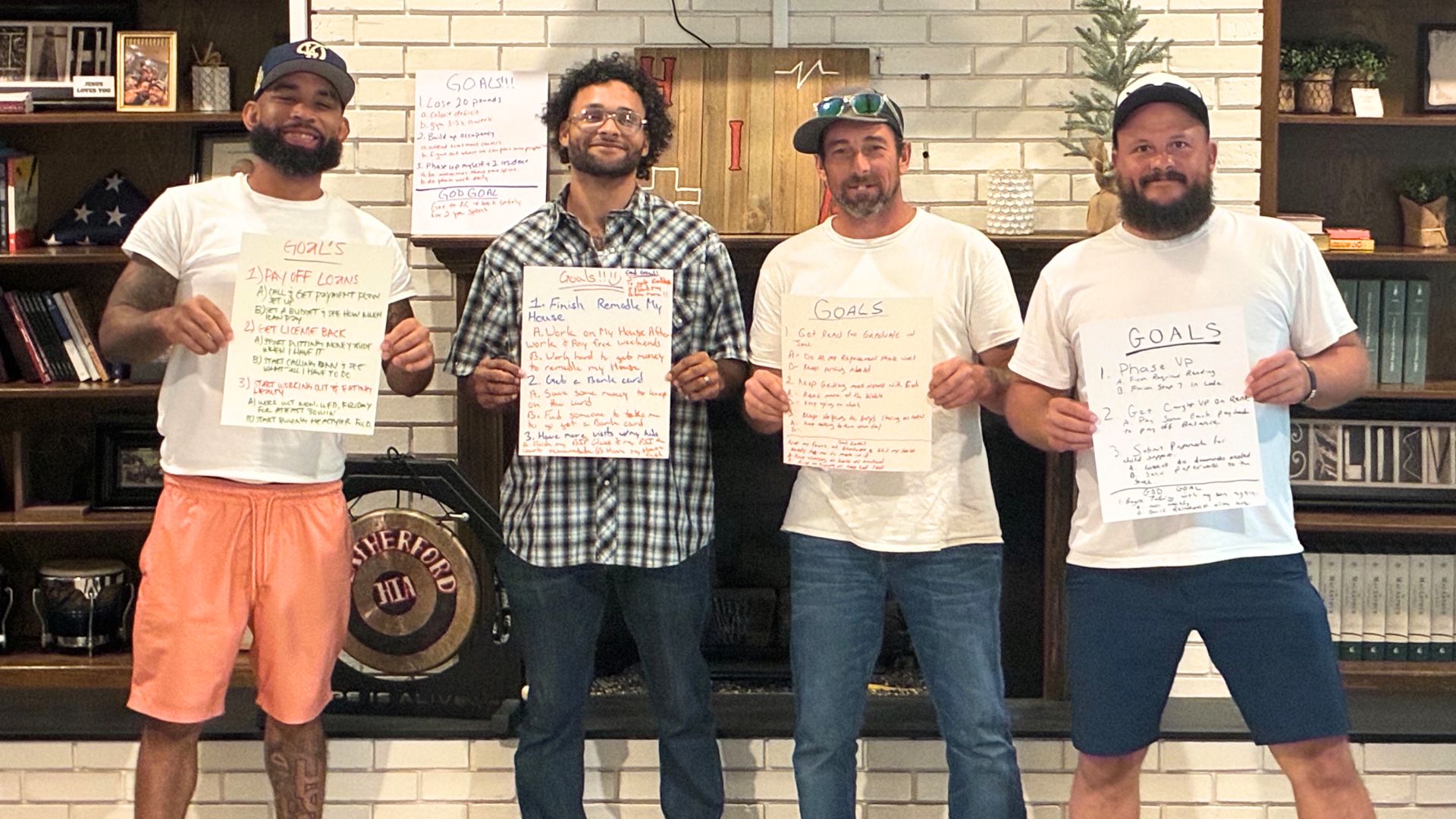
Life After Rehab: What Families Should Expect
When someone you love goes to treatment, there is often one date everyone looks forward to: the day they come home.
It makes sense. Treatment can represent the first real hope a family has felt in a long time. Your loved one is safe. They are sober. They are beginning to think clearly again, and they are learning about addiction and addressing some of the things that brought them to this point. For the first time in months or even years, you may finally feel like you can breathe.
But as treatment comes to an end, families are faced with an important question: What happens next?
At Hope is Alive, we believe that question deserves just as much attention as the decision to enter treatment in the first place. Because getting sober and learning how to live sober are not the same thing.
Treatment can interrupt addiction and give someone a foundation for recovery. But eventually, that person has to take what they have learned and begin applying it to real life — to work, relationships, finances, responsibilities, disappointments, conflict, and ordinary days when there is no treatment schedule telling them what to do next.
For many people, going directly from treatment back into independent living — or back into the same environment they left — is simply too big of a jump.
Treatment Is the Beginning, Not the Finish Line
When your loved one completes a treatment program, you want to believe the worst is finally behind your family. But even though treatment is an incredible beginning to recovery, lasting sobriety often requires much more work.
Think about everything a person is being asked to change. Recovery isn't simply learning not to drink or use drugs. It often means learning how to handle emotions without escaping them, work through conflict instead of running from it, become financially responsible, rebuild trust, create healthy relationships, and so much more.
Those things aren't learned in a few weeks. They are learned when someone gets their first paycheck and has to decide what to do with it. When they're frustrated with a boss and can't quit on the spot. When someone tells them no. When they have to apologize without making excuses. When they have a free Saturday with nowhere they have to be. When they're lonely, angry, embarrassed, bored, or disappointed and have to figure out what to do next.
Where Is Home In Early Addiction Recovery?
One of the first decisions your family will have to make is where your loved one will live after treatment.
And while bringing them home may feel like the natural next step, it is worth thinking carefully about what returning home will actually look like.
- Will they be returning to the same people they drank or used with?
- Will they have large amounts of unstructured time?
- Will they be expected to immediately find a job, repair relationships, manage money, and resume family responsibilities?
- Is there alcohol or drug use in the home?
- Will family members feel responsible for checking where they are, who they are with, or whether they are attending meetings?
Even when home is safe and supportive, it may not provide what someone needs in the earliest stages of recovery.
This is where recovery housing after treatment can make a significant difference.
A recovery home gives someone a place to live while they make the transition from treatment back into everyday life. Instead of going from 24/7 treatment to complete independence, they have time to establish routines, find employment, build a recovery community, practice accountability, and begin taking responsibility for their life again.
More importantly, they are doing those things around other people who understand recovery.
That community is one of the biggest differences between simply finding somewhere sober to live and choosing the right recovery home after rehab.
What Should You Expect From Your Loved One After Treatment?
You should expect progress, but you should not expect everything to be fixed.
Your loved one may come out of treatment more clear-headed and motivated than they have been in a long time. They may be excited about recovery and eager to repair the damage addiction caused. Those are good things. But enthusiasm at discharge is not the same thing as having months or years of experience living sober.
There will still be stress. There will still be conflict. There may be financial problems to work through, employment to find, relationships to repair, and consequences from decisions made during active addiction.
Your loved one may also need to prioritize recovery more than you expect. Meetings, sponsorship, relationships with other people in recovery, and time spent building healthy routines may take up a significant portion of their schedule.
That doesn't mean they're choosing recovery over their family. In many cases, protecting their recovery is one of the most important things they can do for their family.
But this gap in lifestyle is another reason recovery housing can be so important. It creates some space between treatment and returning home, giving your loved one time to become more established in recovery while giving your family time to adjust too.
Is Recovery Housing Necessary After Rehab?
Recovery housing isn't required for someone to achieve lasting sobriety. But the right recovery home can make a huge difference in not only how long someone remains sober, but what they do with that sober life.
One of the biggest benefits is simply time.
There can be a lot of pressure after treatment to get back to normal as quickly as possible. But there is no reason to rush through one of the most important stages of recovery.
Recovery housing creates a season between treatment and complete independence where someone can move forward with their life without immediately removing the support around their recovery.
For some people, that season may be the first real opportunity they've had to figure out what they want their life to look like. Not just what they want to stop doing, but who they want to become, who they want around them, and what they want to work toward.
The goal after treatment isn't to recreate someone's life before addiction took over. In many cases, that life needs to look different.
Different people. Different habits. Different priorities. Different ways of handling hard things.
That doesn’t necessarily mean that everything will change. In fact, much of life may look the same for some people. But recovery housing gives them time to figure out what can stay, what needs to change, and what may need to be left behind altogether.
Take the Next Step With Hope is Alive
At Hope is Alive, our recovery homes are designed to be the next step of life after rehab. We provide men and women with a safe, structured place to continue their recovery while getting back into everyday life. More importantly, they become part of a community of people who understand what it takes to build a life in recovery because they are doing it too.
If your loved one is nearing the end of treatment, now is the time to start thinking about what comes next. Don't wait until discharge to make a plan or assume coming home is the only option.
Learn more about Hope is Alive recovery homes and talk with our team about whether recovery housing is the right next step for your loved one.
Overcoming Pornography Through Christ | Bible Reading Plan
Overcoming Pornography Through Christ
What if pornography isn't really about sex? It may sound surprising, but for many people, the struggle has much more to do with seeking comfort, relief, or escape than desire itself. In this six-day reading plan, you'll explore what's really driving pornography use and discover where lasting freedom can be found and how Christ meets the deeper needs that pornography can never truly satisfy.
Start the plan here: Overcoming Pornography Through Christ
Finding Hope Leaders Experience the Heart of Hope is Alive
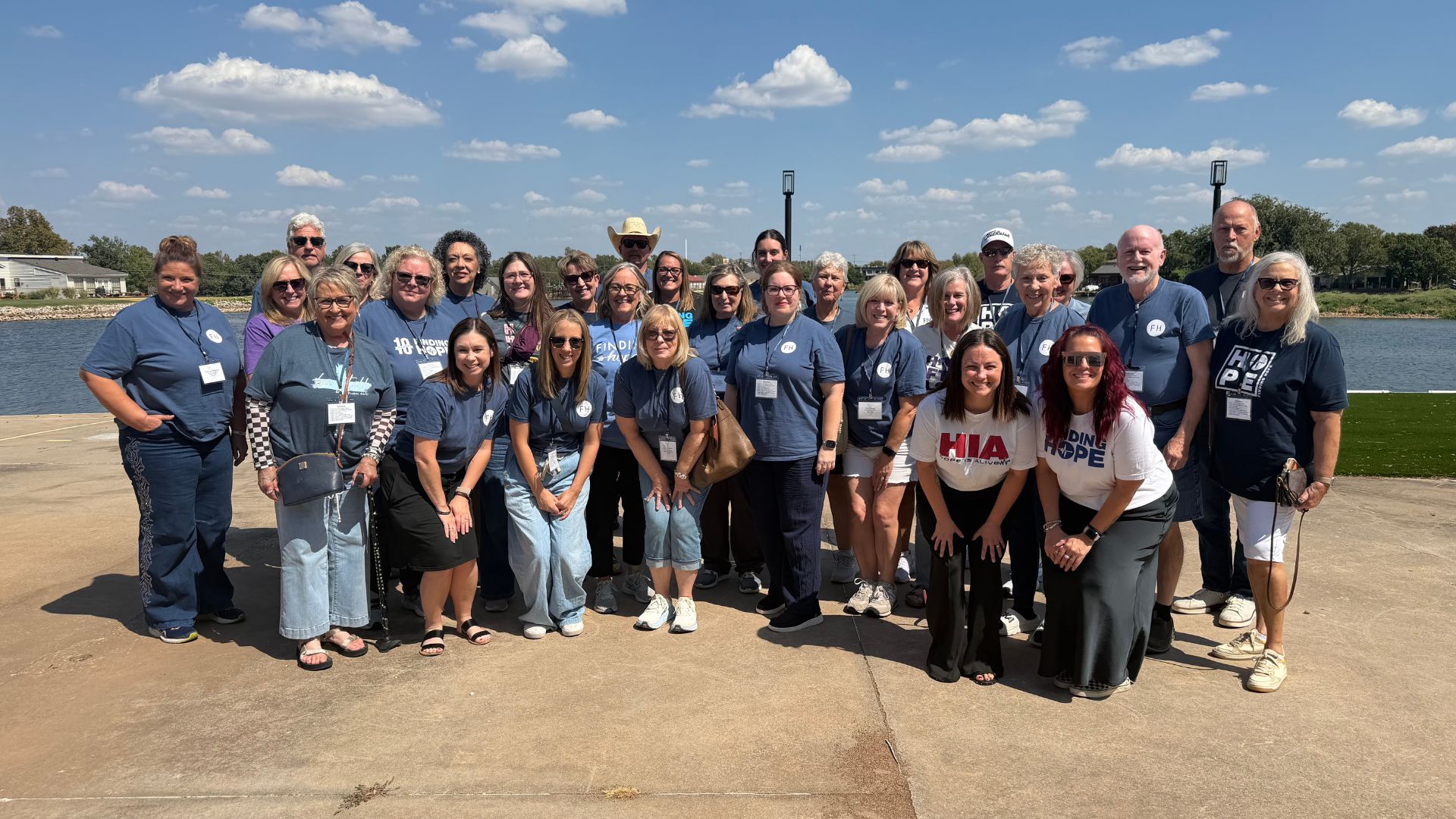
Finding Hope Leaders Experience the Heart of Hope is Alive
More than 30 Finding Hope leaders from across the country recently traveled to Oklahoma City for something that was about far more than touring buildings.
They came to experience the heart behind the mission of Hope is Alive.
These leaders spend week after week sitting across from moms, dads, spouses, siblings, and friends who love someone struggling with addiction. They walk with families through some of their hardest days, reminding them that they are not alone, it’s not their fault, and there is hope.
This trip was an opportunity for the people who spend so much time pouring hope into others to come together, be encouraged and poured into, and see firsthand the mission they help carry forward every single week.
Seeing Recovery Up Close
During their time in Oklahoma, Finding Hope leaders toured Hope is Alive recovery homes, where men and women are building new lives rooted in Christ. They had the opportunity to see what recovery looks like beyond the stories and statistics — to step inside the homes where lives are being rebuilt and families are being restored.
The leaders also visited The Healing Center, Hope is Alive’s Christ-centered recovery campus, where men are given the space and support to address the deeper wounds, shame, and brokenness that so often exist beneath addiction.
For Finding Hope leaders, seeing these places firsthand gave them an even deeper understanding of the hope they talk about every week.
When a mom walks into a Finding Hope meeting wondering if her son will ever be free from addiction, or a wife shows up exhausted from trying to hold her family together, these leaders can now point to what they have seen with their own eyes: men and women finding freedom, families being restored, and God bringing new life and hope to thousands of lives.
More Than Recovery
At Hope is Alive, we believe recovery is about so much more than simply getting sober. It’s about helping people discover who God created them to be and building a life filled with purpose, community, and hope.
Throughout the weekend, Finding Hope leaders were able to spend time with Hope is Alive staff, residents, donors, supporters, and one another. They shared meals, heard stories, asked questions, and connected with other leaders who understand what it means to walk alongside families impacted by addiction.
And after a weekend of seeing the mission up close, they came together to worship at Night of Hope.
Surrounded by the Hope is Alive community, our Finding Hope leaders worshiped alongside people whose lives have been completely changed by Jesus — including those in recovery and so many more.
It was a beautiful reminder of why we do what we do.
Taking Hope Back Home
Eventually, the weekend came to an end, and more than 30 Finding Hope leaders boarded planes and headed back to their communities across the country.
But they went home carrying more than they came with.
They returned to their Finding Hope groups encouraged, with a deeper understanding of the heart behind Hope is Alive. They went home with stories of recovery they witnessed firsthand and relationships with other leaders walking the same road. They went home with hope.
And now, they get to give that hope away.
For more information, visit:
Faith-based support groups for families of addicts and alcoholics.
45 Days Sober: The Beginning of a Life Radically Changed
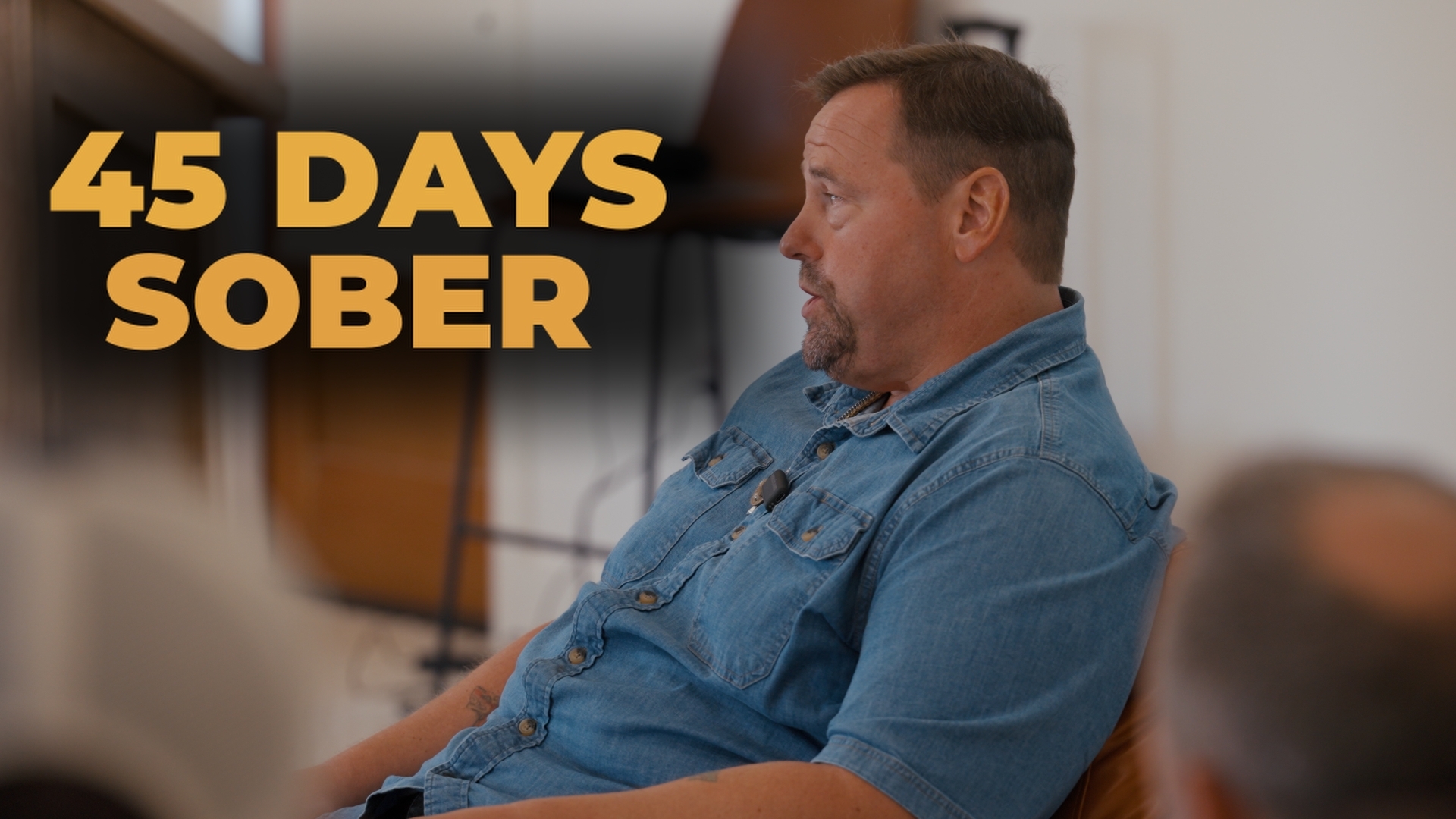
45 Days Sober: The Beginning of a Life Radically Changed
45 days sounds small until you call it 1,080 hours. Which turns into 2,000. Then 10,000. Then a life someone once couldn’t imagine.
Recovery is possible. And every hour counts.
Watch the video below to see how 45 days at The Healing Center is radically changing lives — and how the next 18 months at Hope is Alive can turn a beginning into a whole new way of life.
This National Sober Day, we’re celebrating the hours that become days, the days that become months, and the months that become years. Because freedom from drugs and alcohol is possible, and it's happening every hour of every day.
Hope is Alive Opens Men’s Lodges at The Healing Center
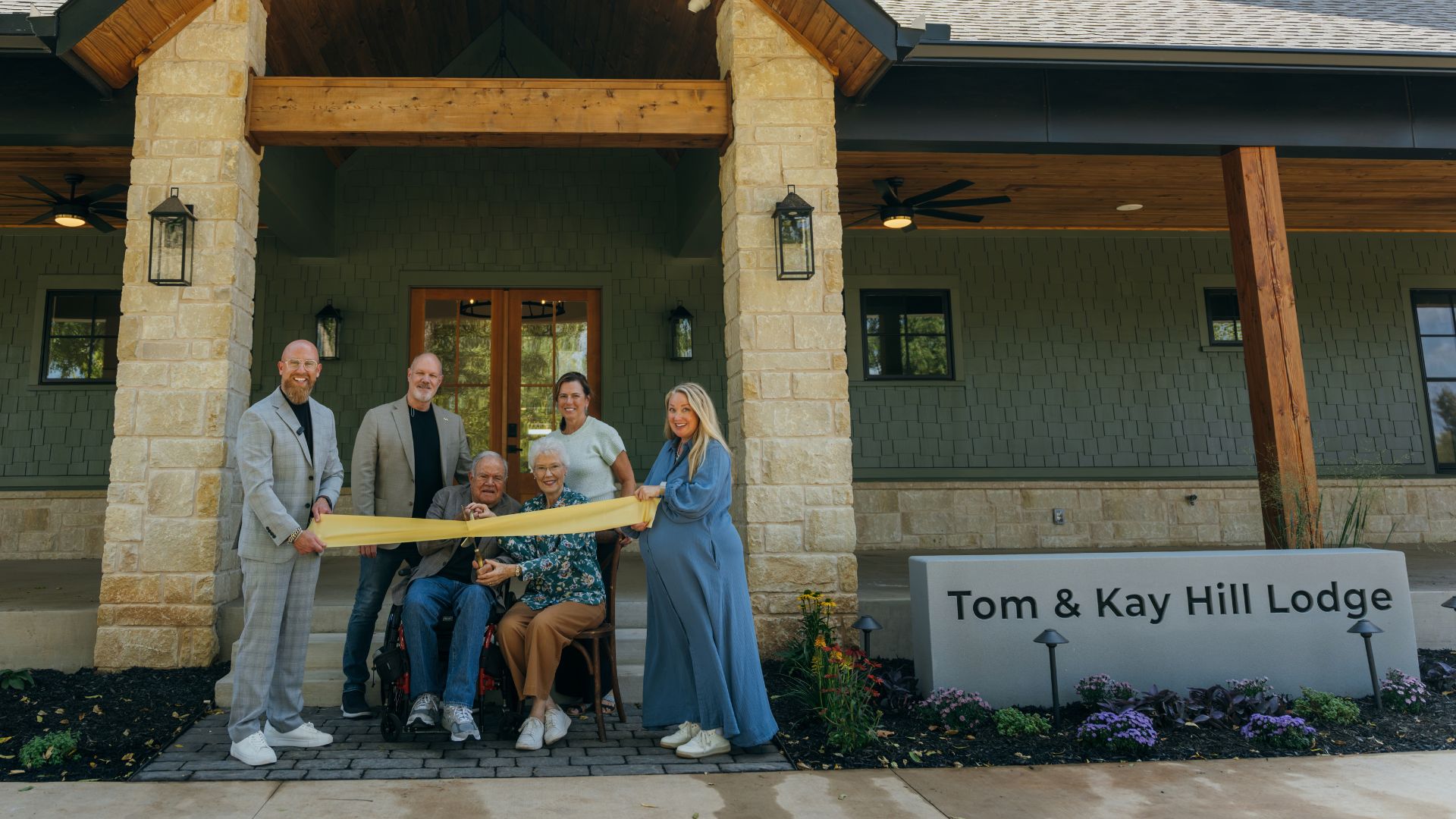
Hope is Alive Opens Men’s Lodges at The Healing Center
On September 18, Hope is Alive celebrated another major milestone in our mission to radically change the lives of drug addicts, alcoholics, and those who love them: the official Grand Opening of the Men’s Lodges at The Healing Center.
For us, this is about far more than opening another building.
It means more men will have a place to step away from the chaos of addiction and begin doing the deeper work of healing. It means more husbands, fathers, sons, and brothers will have the opportunity to experience freedom. And ultimately, it means more families have the chance to be restored.
Recovery Done Differently
Located on 75 peaceful acres just outside Oklahoma City, The Healing Center was created to offer a different approach to early recovery.
It is not a treatment center or rehab facility. It is a 45-day, Christ-centered recovery experience designed specifically for drug addicts, alcoholics, and men struggling with gambling-related or sexual issues.
Everything at The Healing Center is built around five core principles: Biblical Community, Complete Self, Nutritional Transformation, Spiritual Freedom, and Divine Purpose.
Together, these principles help men look beyond simply changing destructive behaviors and begin addressing the wounds, beliefs, shame, and patterns beneath them.
As Ally Lang, Co-Founder of Hope is Alive’s Healing Center, shared:
“I looked at the recovery world and thought, ‘There are a lot of good things happening,’ but I kept asking, ‘How do we actually help people heal?’ We spend so much time trying to manage behaviors when what people really need is deeper healing.”
Hope is Alive has plans to open a Women’s Lodge at The Healing Center in late 2027.
Prayers for Our Loved Ones

Prayers for Our Loved Ones
When someone we love is struggling with addiction, it can be hard to know what to pray. We may know what we want for them — freedom, healing, peace, restoration — but sometimes we simply run out of words.
That is one of the gifts of Scripture: God has already given us words to pray.
The verses below can help guide your prayers for your loved one. As you read them, place their name in the blanks and make these words personal.
“So we have not stopped praying for _____ since we first heard about you. We ask God to give _____ complete knowledge of his will and to give you spiritual wisdom and understanding.” Colossians 1:9–12
“I pray that _____ heart will be flooded with light so that he/she can understand the confident hope he has given to those he called—his holy people who are his rich and glorious inheritance.” Ephesians 1:18
“Now all glory to God, who is able, through his mighty power at work within us, to accomplish infinitely more than we might ask or think.” Ephesians 3:20-21
“May _____ be Yours, and You will be _____’s God; and You will give him/her one heart and one way, that _____ may fear You always, for his/her own good, and for the good of _____’s children after him/her.” Jeremiah 32:38–39
“Lord, fulfill Your purposes for _____; Your love, LORD, endures forever—do not abandon the works of Your hands.” Psalm 138:8
“As a shepherd looks after his scattered flock when he is with them, so will I look after _____. I will rescue _____ from all the places where he/she was scattered on a day of clouds and darkness.” Ezekiel 34:11–12
“I know, O LORD, that the way of _____ is not in himself, that it is not in man who walks to direct his steps.” Jeremiah 10:23
“Reach down Your hand from on high; deliver _____ and rescue him/her from the mighty waters, from the hands of foreigners whose mouths are full of lies, whose right hands are deceitful.” Psalm 144:7-8
“May ______ call unto You and because You will answer him/her and tell him/her great and unsearchable things ______ does not know.” Jeremiah 33:3
“Lord, please give ______ an undivided heart and put a new spirit in him/her; remove from ______ his/her heart of stone and give him/her a heart of flesh. Then _____ will follow Your decrees and be careful to keep Your laws. _____ will be Yours and You will be his/her God.” Ezekiel 11:19–20
“May _____ love the Lord with all his/her heart and with all his/her soul and with all his/her mind.” Matthew 22:37
“May _____ know the truth, the truth will set him/her free.” John 8:32
“Open _____’s eyes so that he/she may turn from darkness to light and from the dominion of Satan to God, in order that he/she may receive forgiveness of sins and an inheritance among those who have been sanctified by faith in Jesus.” Acts 26:18
“Lord, please create a desire in _____ to come out from among them and be separate.” 2 Corinthians 6:17
Why Community Is Essential for Lasting Sobriety: 10 Benefits of Recovery Housing
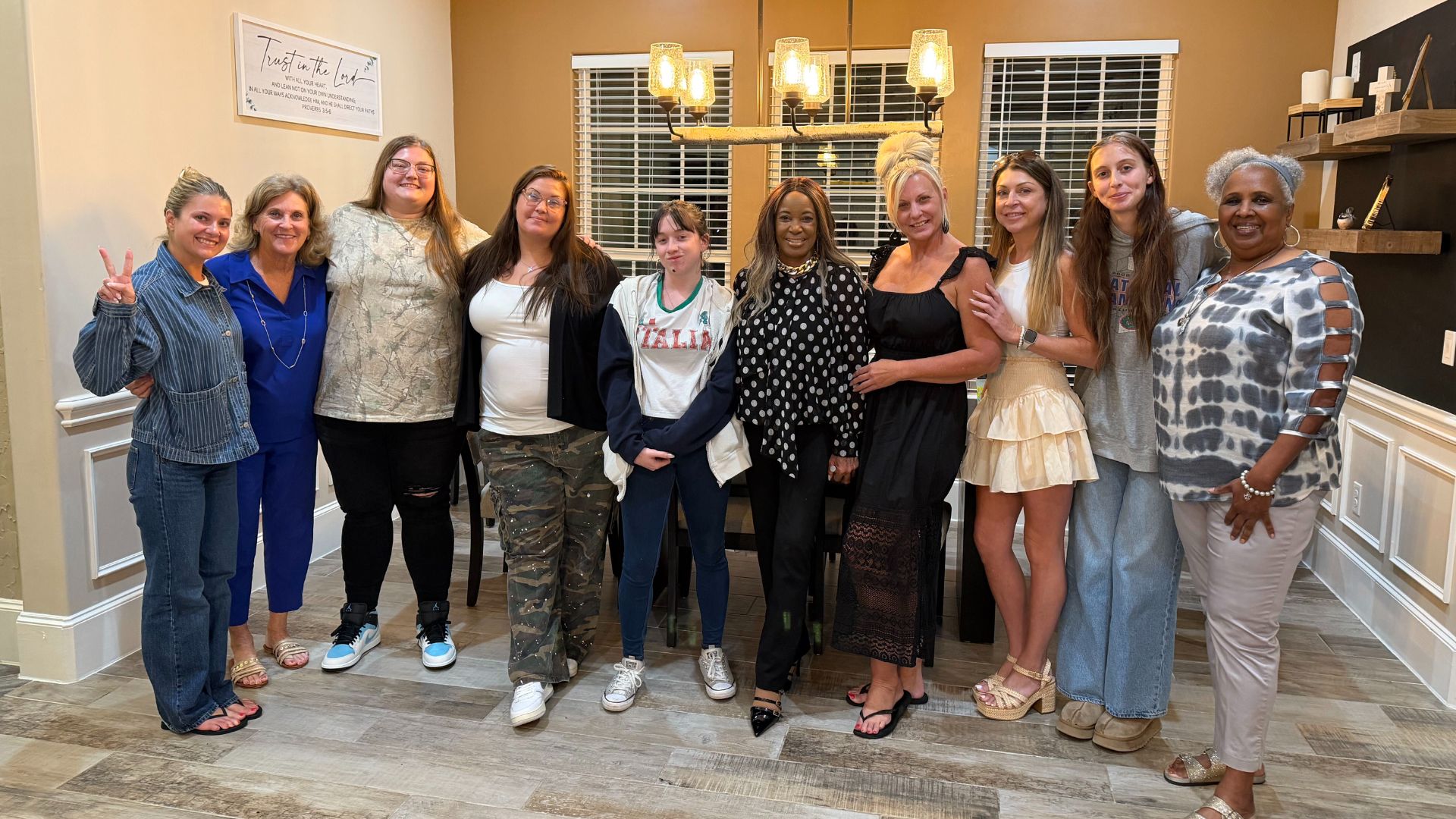
Why Community Is Essential for Lasting Sobriety: 10 Benefits of Recovery Housing
When someone you love finally gets sober, you want to do everything you can to help them stay that way.
If you're a parent, you may want them back home where you can keep an eye on them. If you're a spouse, you may be ready to put the pieces of your family back together. After months or years of worrying, waiting, praying, and wondering what would happen next, having your loved one safe and sober can feel like the answer you've been asking for.
So it can be confusing when part of their recovery means they need something you can't provide on your own: a recovery community.
At Hope is Alive, we've watched hundreds of men and women rebuild their lives for years, and one thing we've learned is that who surrounds a person in early recovery matters tremendously.
Getting sober is the beginning. Learning how to live sober happens over time, and much of that learning happens alongside other people going through the exact same thing.
Why Isn’t Family Support Enough?
This can be a hard question for families. But your relationship with your loved one has history.
You may still be working through broken trust. You may find yourself questioning whether they're telling the truth because there were years when they weren't. You may be watching for signs of relapse without even realizing you're doing it. And your loved one may be carrying their own guilt and shame about what happened during their addiction.
Beyond that, there is something different about sitting across from someone who can say, “I've been there.” Someone who knows what cravings feel like. Someone who understands how strange it can be to learn how to have fun sober. Someone who knows what it's like to face the consequences of decisions made during addiction and still keep moving forward. Someone who won’t be impressed by excuses.
People in recovery tend to recognize the thinking that comes before the behavior because they've had many of those same thoughts themselves. They know what it sounds like when someone starts justifying a bad decision, pulling away, getting too comfortable, or convincing themselves that this time will somehow be different. And because they've been there, they can usually call it out in a way that family simply can't.
In other words, your loved one needs the guy across the room who can say, “I did the exact same thing at three months sober. Here's what happened.” They need the woman who is a year ahead of them to show them that the uncomfortable parts of early recovery don't last forever.
They also need to see recovery working in someone else's life. It's one thing to be told that life can be good without drugs or alcohol. It's another thing to live with people who are actually experiencing it.
Family will always matter. But you were never meant to be your loved one's entire recovery community. They need people beside them who understand the road they're walking because they're walking it too.
To find a community for you, consider joining Finding Hope — a support group for loved ones of addicts and alcoholics. Just like they need a community that gets it, you do too.
The Top 10 Benefits of Recovery Housing
The time between treatment and fully independent living is a major transition, and going straight back to the same environment someone left can make it much harder to put everything they learned into practice.
Recovery housing provides a place to keep building. Your loved one gets to experience real life — work, relationships, responsibilities, stress, conflict, celebrations, and ordinary days — while still surrounded by structure and people committed to recovery.
Here are 10 of the biggest benefits to living in a recovery home:
1. A safe, sober place to live
This may sound obvious, but environment matters. It's incredibly difficult to build a new life while surrounded by substance use, crime, and instability. Recovery housing gives your loved one a home where sobriety is the expectation, not the exception.
2. Structure while they find their footing
Treatment is structured. Independent life usually isn't. Recovery housing helps bridge that gap by giving residents expectations, routines, responsibilities, and consistency while they learn how to create healthy structure for themselves.
3. Accountability that happens every day
Accountability is much more effective when it isn't limited to one appointment a week. In recovery housing, people are surrounded by others who see how they're actually doing. They notice patterns, ask questions, challenge excuses, and encourage one another to keep doing what they said they wanted to do.
4. Healthy friendships
Many people enter recovery realizing that some of their old relationships can't come with them. That can leave a huge hole. Recovery housing gives them the opportunity to build friendships that aren't centered around drinking, using, or getting into trouble.
5. A chance to practice real life
Recovery doesn't happen in a vacuum. Your loved one still has to learn how to manage money, show up for work, deal with disappointment, communicate, resolve conflict, keep commitments, and make good decisions when nobody is forcing them to. Recovery housing gives them a place to practice those things with support nearby.
6. Distance from old patterns and environments
Sometimes going home too soon means stepping right back into the routines that were connected to addiction. Even with the best intentions, familiar places can make familiar behaviors easier to return to. Time in a new environment gives your loved one space to establish different routines before deciding what comes next.
7. Proof that sober life can actually be good
Your loved one needs to discover that recovery isn't going to be a lifetime of sitting around wishing they could drink or use. They need to laugh, travel, celebrate, make memories, find new interests, and experience genuine fun without substances. Living around other people doing exactly that helps make a different future feel possible.
8. Opportunities to rebuild confidence and responsibility
Addiction can leave people believing they can't be trusted with much of anything. Recovery gives them the chance to change that, one responsibility at a time. Getting a job, paying bills, completing commitments, helping around the house, and following through may seem ordinary, but each one helps rebuild confidence and character.
9. Time to rebuild family relationships without rushing them
Sobriety doesn't instantly restore trust, and it shouldn't have to. Recovery housing can give families some much-needed space to heal while their loved one continues working on themselves. Instead of immediately returning to old family roles and dynamics, everyone has time to establish healthier boundaries and allow trust to be rebuilt through consistent actions.
10. A foundation for a life beyond addiction
Ultimately, recovery housing shouldn't just help someone avoid relapse. It should help them build a life worth protecting.
That's what we want for every person who walks through the doors of Hope is Alive. We want residents to grow physically, emotionally, relationally, and spiritually. We want them to discover who God created them to be, rebuild what addiction damaged, find purpose, and develop relationships that will continue long after they leave a Hope is Alive home.
The goal isn't for your loved one to need recovery housing forever. The goal is for the time they spend there to help prepare them for everything that comes after it.
Recovery Housing at Hope is Alive
At Hope is Alive, recovery housing is about far more than providing a sober address. Our Recovery Homes provide structured, Christ-centered environments where men and women are surrounded by community while rebuilding their lives. Each resident is paired with a dedicated sobriety coach and guided through a three-phase recovery curriculum that addresses the physical, emotional, relational, and spiritual areas of recovery.
And perhaps just as importantly, they're doing all of it alongside people who understand.
If you're trying to decide what should come next for someone you love, know that the right recovery community can give them the chance to begin building a life they genuinely don't want to escape from.
Contact us today to learn more about our one-of-a-kind recovery program. Hope and healing are waiting.
Hope After Losing a Loved One | Bible Reading Plan
Hope After Losing a Loved One
Losing a loved one to addiction is a kind of grief that defies language. If you’re walking this path, know that your story is not one of failure. It is one of love in the face of something powerful and unforgiving. And while the loss never fully fades, neither does the bond you shared. This plan is a blueprint for hope. Each day, you’ll hear from someone else who has lost someone they love, and learn what helped them discover hope after loss.
Start the plan here: Hope After Losing a Loved One